<1st> 1. Epistrophy (Thelonious Monk) 2. Beyond the Blue Bird (Tommy Flanagan) 3. Medley: Embraceable You (George Gershwin) ~Quasimodo (Charlie Parker) 4. Good Morning Heartache (Irene Higginbotham) 5. Minor Mishap (Tommy Flanagan) 6. Dalarna (Tommy Flanagan) 7. Tin Tin Deo (Chano Pozo, Gill Fuller Dizzy Gillespie)
<2nd> 1. That Tired Routine Called Love (Matt Dennis) 2. Smooth As the Wind (Tadd Dameron) 3. Rachel’s Rondo (Tommy Flanagan) 4. If You Could See Me Now (Tadd Dameron) 5. Eclypso (Tommy Flanagan) 6. I’ll Keep Loving You (Bud Powell) 7. Our Delight (Tadd Dameron)
Encore: With Malice Toward None (Tom McIntosh) Ellingtonia: Chelsea Bridge (Billy Strayhorn) Passion Flower (Billy Strayhorn) Black & Tan Fantasy (Duke Ellington)
秋のトミー・フラナガン・トリビュートは11月15日(土)に開催します。 第47回Tribute to Tommy Flanagan Concert 日時:11月15日(土) 7pm-/8:20pm(開場6pm 入替なし) 前売りチケット¥3850(税込 座席指定) 席数が限られています。お早めにお求めください。
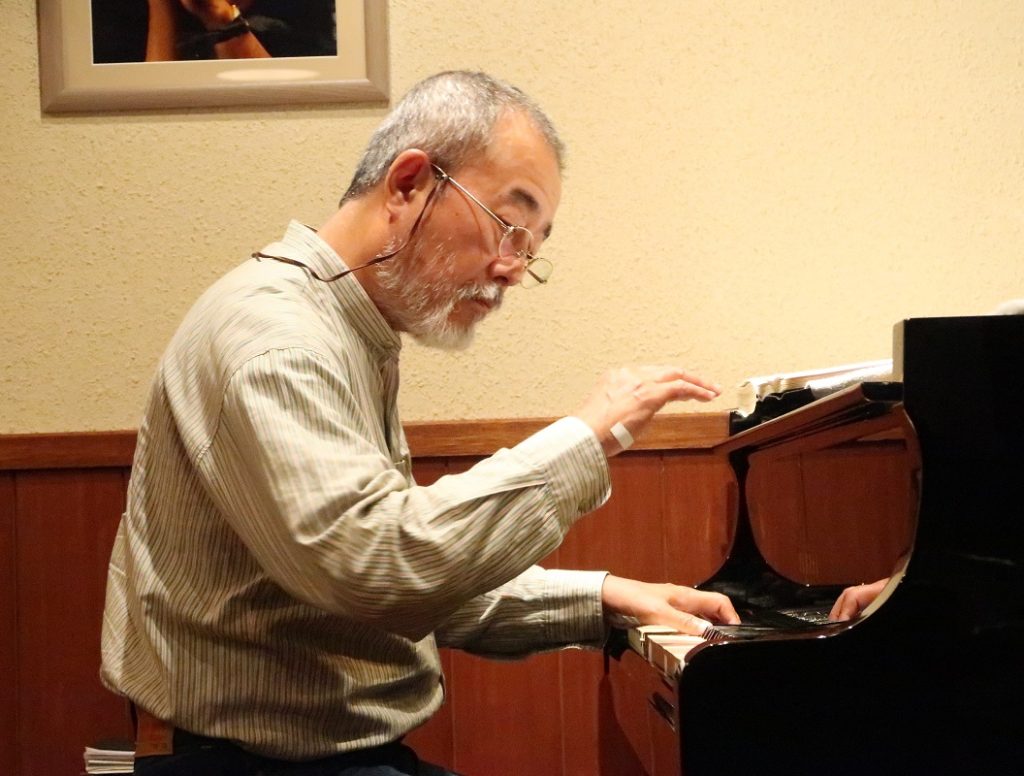
=Annual Concert tribute to Tommy Flanagan in November 2025= This year of 2025, pianist and owner of Jazz Club OverSeas, Hisayuki Terai with Zaiko Miyamoto on bass will hold his special tribute concert to his mentor, Tommy Flanagan on the anniversary of his passing.
Date and Time: Saturday, November 15, 2025 7:00 PM / 8:20 PM (Doors open at 6:00 PM, no seat change between shows) Ticket in advance 3850JPY
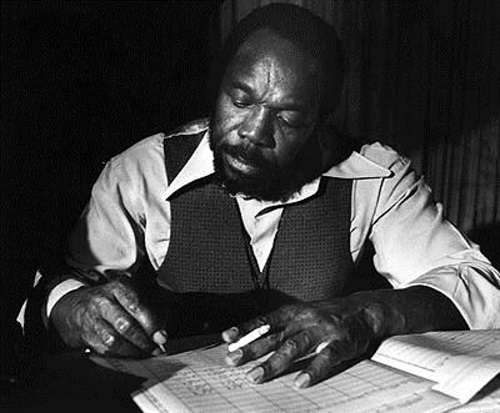
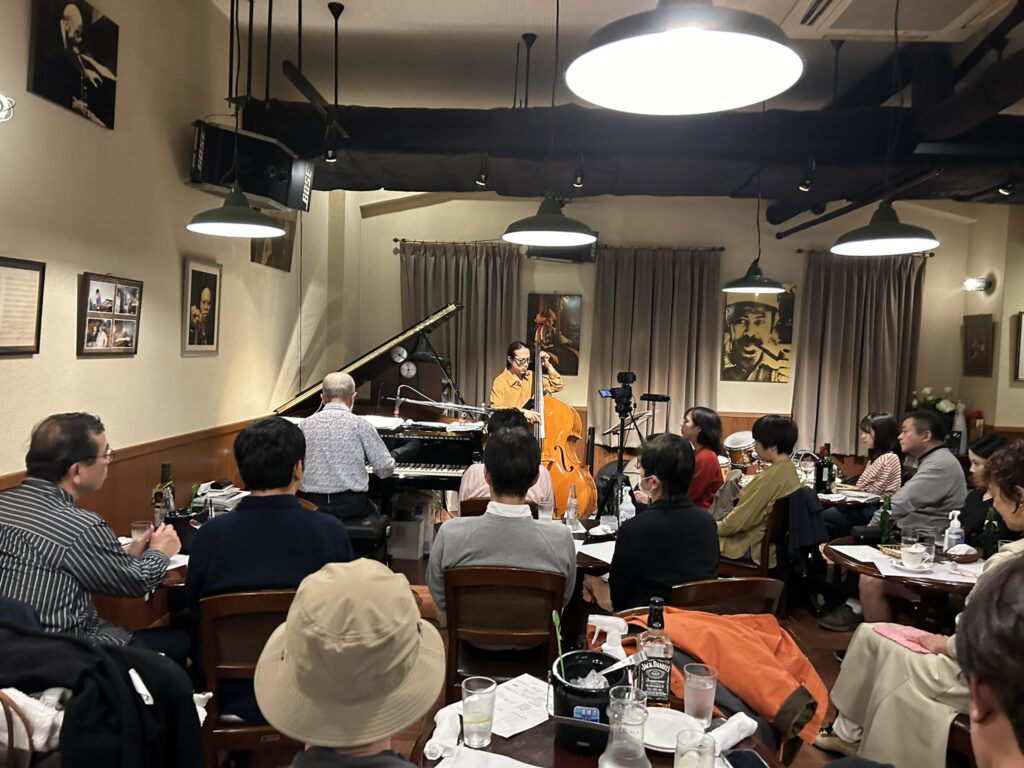
Pianist and Jazz Club OverSeas owner Hisayuki Terai has honored his mentor, piano giant Tommy Flanagan (1930-2001), by performing special concerts exclusively featuring Flanagan’s iconic repertoire every year in the months of his birth and passing since his passing. The 46th tribute to Flanagan took place on March 15, 2025.
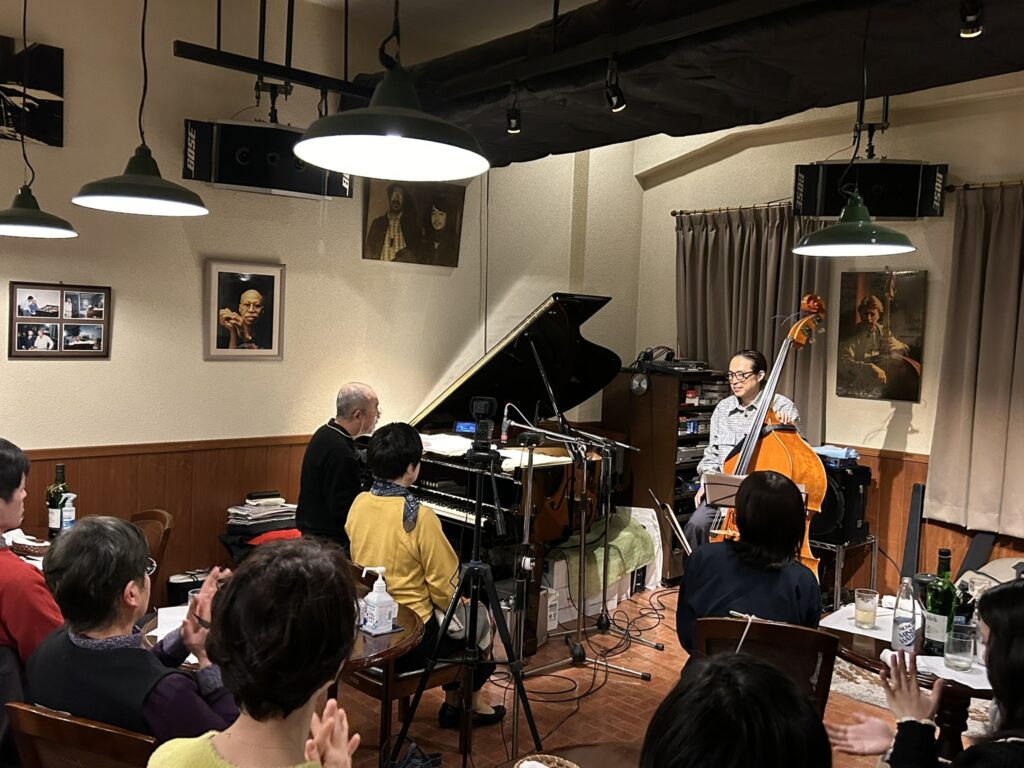
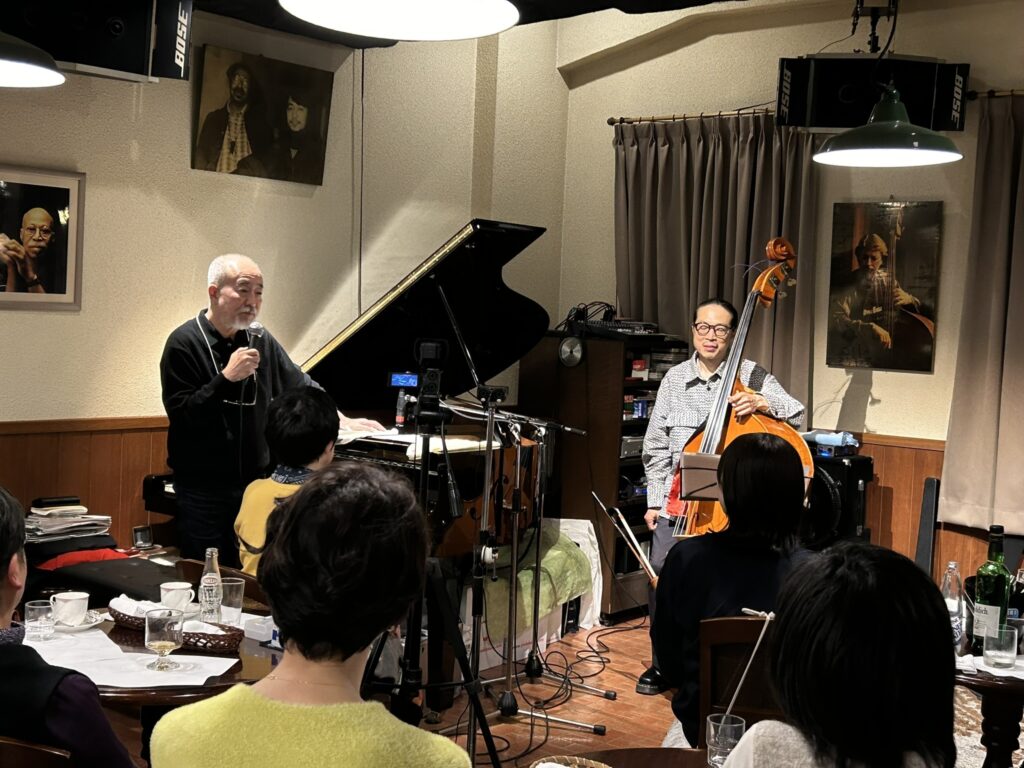
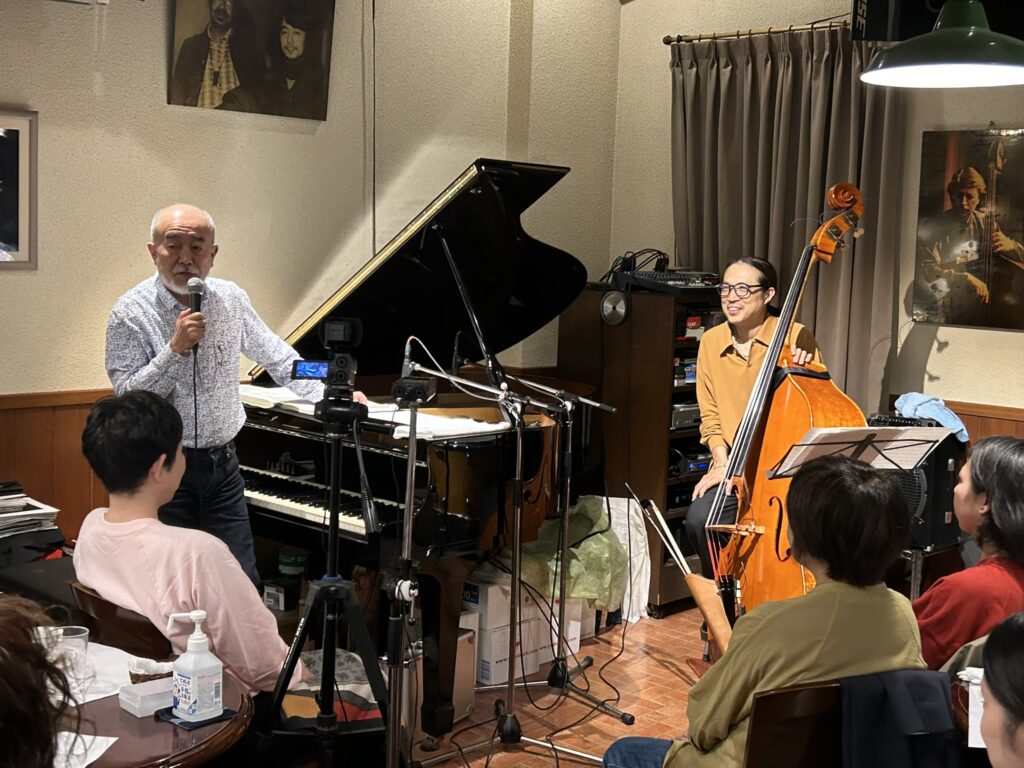
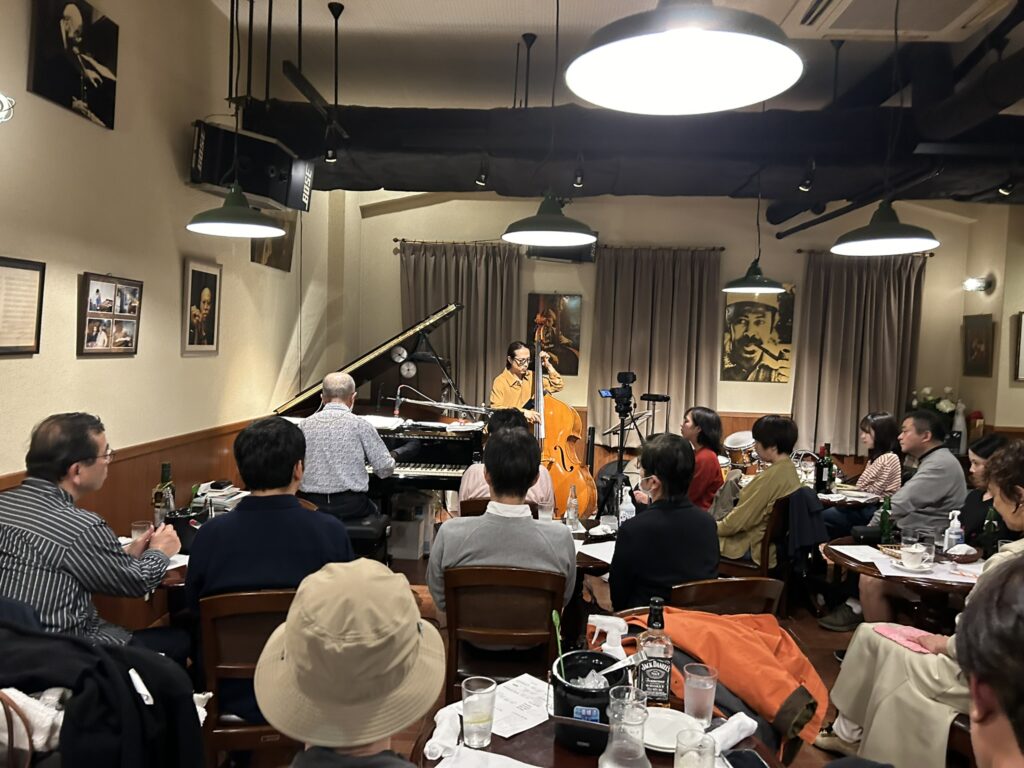
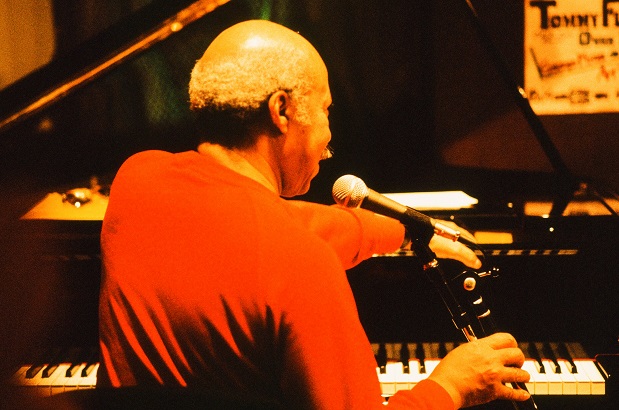
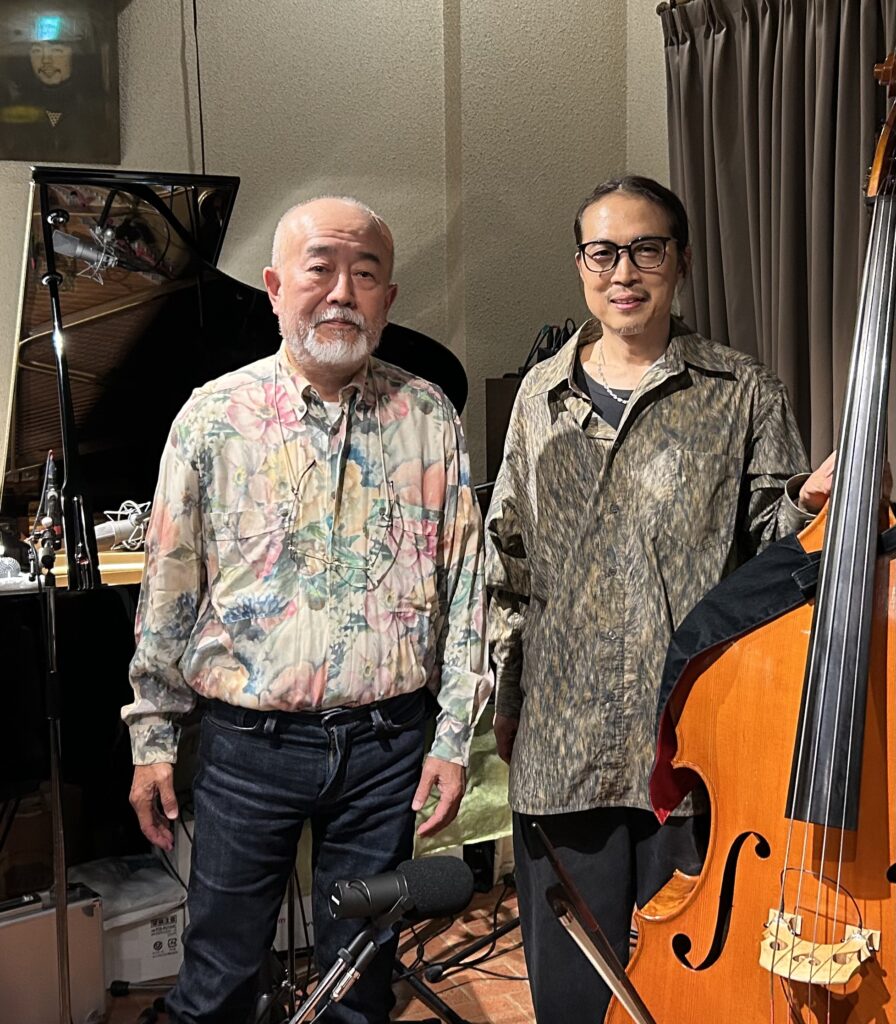
Hisayuki Terai and bassist Zaiko Miyamoto at the concert
It has been 24 years since Tommy Flanagan passed. For this concert, Terai has selected tunes from the many pieces Flanagan cherished throughout his musical career, focusing on compositions by Thad Jones. Thad Jones was one of Flanagan’s greatest influences in his early days in Detroit, and in 1993, Flanagan recorded the album “Let’s (Play the Music of Thad Jones)” at his own expense. This concert is performed by Terai and his long-time musical partner, bassist Zaiko Miyamoto. Sharing Flanagan’s music with devoted fans from all over the country is always a joy for us.
1st Set
1. 50-21 (Thad Jones)
Thad Jones(1923-86)
The concert opens with a piece that Thad Jones dedicated to the sacred ground of Detroit Hard Bop—the Blue Bird Inn. The title, “50-21,” refers to the address of this legendary jazz club (5021 Tireman Ave., Detroit). Between 1953 and 1954, Flanagan and Jones collaborated in the house band of the club. During that time, they pioneered the Detroit Hard Bop style, shaping it with Thad Jones’ compositions—many of which Flanagan would continue to play throughout his life—while showcasing advanced technique and distinctive elegance. Incidentally, a couple of long-time regulars at Jazz Club OverSeas have license plates bearing the number “5021.” Flanagan recorded this piece on albums such as Confirmation (Enja, 1977) and Beyond the Blue Bird (Timeless, 1990).
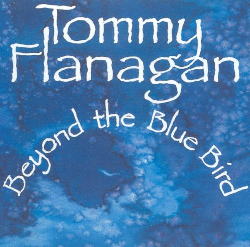
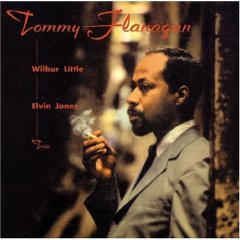
Beyond the Blue Bird (Timeless, ’90)
2. Beyond the Blue Bird (Tommy Flanagan) “Beyond the Blue Bird” was composed by Flanagan in 1990, reflecting his nostalgia for the Blue Bird Inn. The tune became the title track of his album, which featured fellow Blue Bird Inn alumnus and guitar virtuoso, Kenny Burrell as the guest.
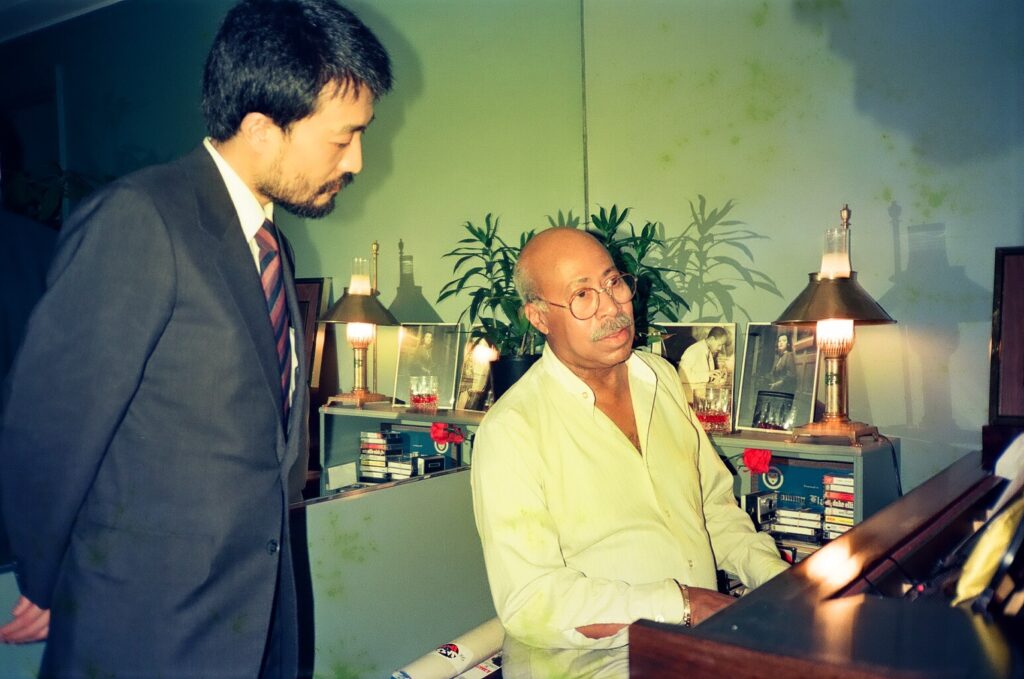
Before the album’s release, Flanagan had Terai transcribe the piece in his Upper West Side apartment in New York City. With its subtle yet rapid key changes, the composition embodies Flanagan’s signature style, exuding both elegance and depth.
3. Medley: Embraceable You (George Gershwin) – Quasimodo (Charlie Parker)
Charlie Parker (1920-55)
Flanagan’s style can hardly be discussed without considering his medleys. Charlie Parker composed a bebop tune based on the chord changes of Gershwin’s famous ballad “Embraceable You” and named it “Quasimodo” after the disfigured protagonist of The Hunchback of Notre-Dame.
This medley, which ingeniously connects the original ballad with Parker’s bebop variation through exquisite key changes, seems to convey his message that true beauty lies not in appearance but within one’s soul. Among Flanagan’s many medleys, this stands out as a legendary signature piece. However, unfortunately, no recordings exist of him performing it with his regular trio.
4. Minor Mishap (Tommy Flanagan)
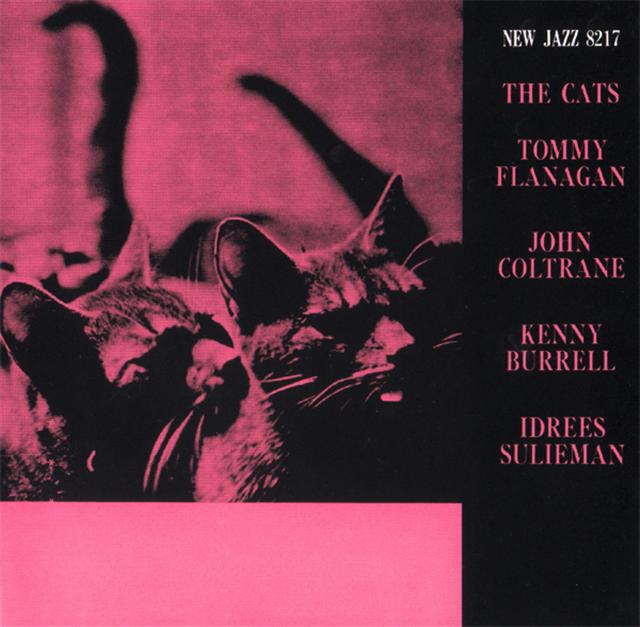
One of Flanagan’s well-known original compositions, recorded on his first album as a leader, Cats (New Jazz, 1957), features John Coltrane and Kenny Burrell. This album remains popular to this day.
The tune’s name was inspired by circumstances during the recording session. Since then, Flanagan performed the tune most frequently throughout his career.
5. Sunset and the Mockingbird (Duke Ellington, Billy Strayhorn)
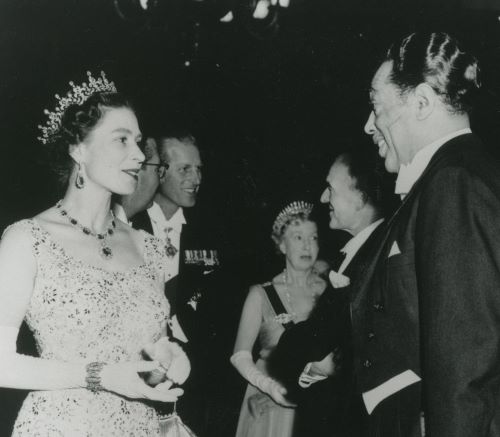
女王陛下とエリントン
The inspiration for the piece came from a birdcall Duke Ellington heard while driving across Florida with Harry Carney. He composed the tune instantly, and it eventually became part of the “Queen’s Suite,” which Ellington recorded with his orchestra, intending to press only one copy to dedicate to Queen Elizabeth.
Flanagan enjoyed playing the tune since the 1970s, and it later became the title track of his 67th Birthday Concert album (Blue Note, 1997).
6. Beats Up (Tommy Flanagan)
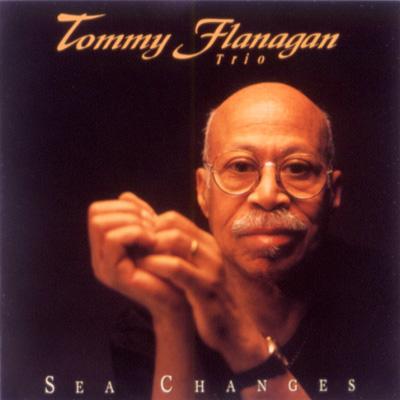
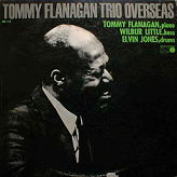
A riff tune based on rhythm changes, Beats Up was originally recorded forOverseas (Metronome/Prestige, 1957) and nearly four decades later, it was re-recorded for Sea Changes (Alfa Jazz, 1996) as well asDalarna. In this performance, Terai and Miyamoto take on the challenge of capturing the trio’s dynamism in a duo format.
7. Dalarna (Tommy Flanagan)
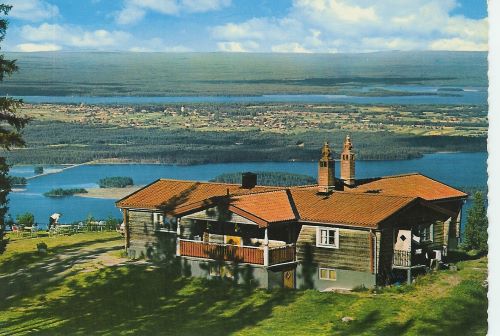
スウェーデン、ダーラナ県
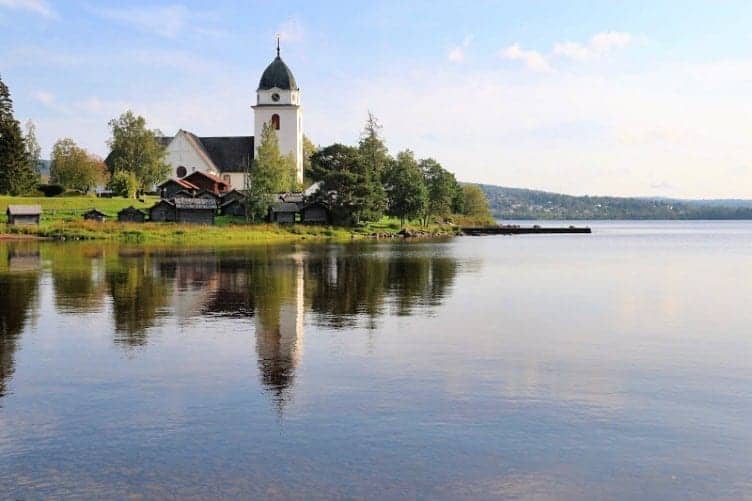
Flanagan’s early composition with a trace of influence of Impressionism from his youth, Dalarna, was initially recorded on “Overseas”, an album produced during an extensive tour in 1957 across Sweden with the J.J. Johnson quintet. Throughout the tour of Sweden, they performed concerts in various locations across the country. It’s easy to imagine Flanagan being inspired by the beauty of Dalarna County. Although Flanagan didn’t revisit the tune for many years, he found renewed inspiration from Terai’s CD titled Dalarna (Flanagania Record, 1995), prompting him to re-record it for Sea Changes (1996, Alfa), using Terai’s arrangement. Immediately after the recording, Flanagan excitedly called Terai to announce, “I’ve recorded Dalarna! His lively voice still resonates in Terai’s heart to this day.
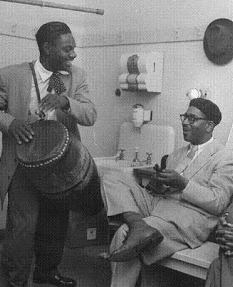
8. Tin Tin Deo (Chano Pozo, Gill Fuller, Dizzy Gillespie)
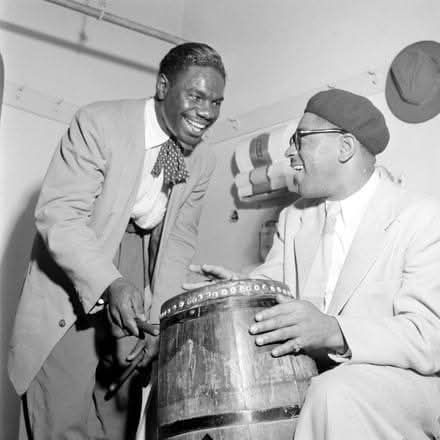
Chano Pozo and Dizzy
The first set closes with an Afro-Cuban jazz classic, pioneered by Dizzy Gillespie. Flanagan crafted an exquisite piano trio version, preserving the strength of the earthy Cuban rhythms while enhancing the wistful melody. A hallmark of Flanagan’s style, he masterfully condensed big band arrangements into a compact piano trio setting, creating an interpretation that was even more dynamic and compelling.
2nd Set
1.That Tired Routine Called Love (Matt Dennis)
A witty love song written by Matt Dennis, a singer-pianist, composer, and arranger, best known for penning numerous hit songs for Frank Sinatra. His compositions, while pleasant to the ear, are often tricky to play and have been cherished by jazz artists. This particular tune, filled with modulations, stimulates the challenging spirit of jazz musicians. Trombone master J.J. Johnson recorded this piece with Flanagan for the album First Place (Columbia, 1957). Over 30 years later, Flanagan included the song on his own album, Jazz Poet (Timeless, 1989), and the arrangement was updated with subsequent live performances. Terai performs the evolved version of the arrangement.
2. With Malice Towards None (Tom McIntosh)
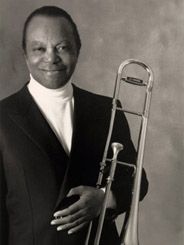
Tom McIntosh (1927-2017)
A spiritual masterpiece cherished by Flanagan, With Malice Towards None—recorded with George Mraz on Ballads & Blues (Enja, 1975)—holds a special place at this club. Composer Tom McIntosh was not only a friend but also a neighbor of Flanagan, who closely observed the song’s creative process. As it turned out, Flanagan’s ideas were intricately woven into the composition. The title of this song is a message that resonates deeply with us in today’s world.
3.A Sleepin’ Bee (Harold Arlen) A buoyant “spring song,” as Flanagan called it, Sleepin’ Bee was one of his favorites to perform at New York club gigs during the spring season. The tune originates from the Truman Capote-scripted, Harold Arlen-scored musical House of Flowers. Inspired by a Haitian legend, it tells of a girl who holds a sleeping bee in her hand—if the bee neither awakens nor stings her, she will find true love. Flanagan greatly appreciated Terai’s streamlined arrangement of this piece.
4. They Say It’s Spring (Bob Haymes)
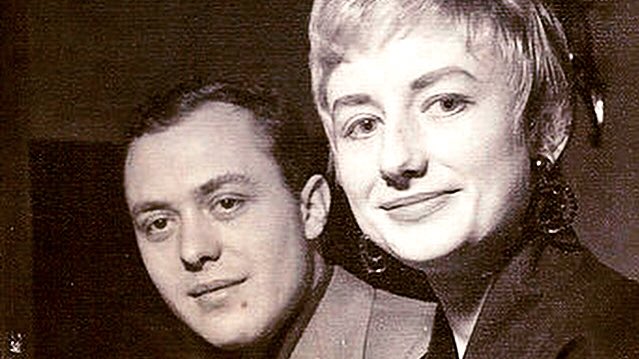
Bobby Jaspar & Blossom Dearie
Another spring song,They Say It’s Spring was originally a hit for singer/pianist Blossom Dearie. Dearie, who was married to Flanagan’s bandmate Bobby Jaspar, first introduced the tune to Tommy during one of her live performances. Flanagan later recorded it with George Mraz in 1975 for the album Ballads & Blues.
5. Passion Flower (Billy Strayhorn)
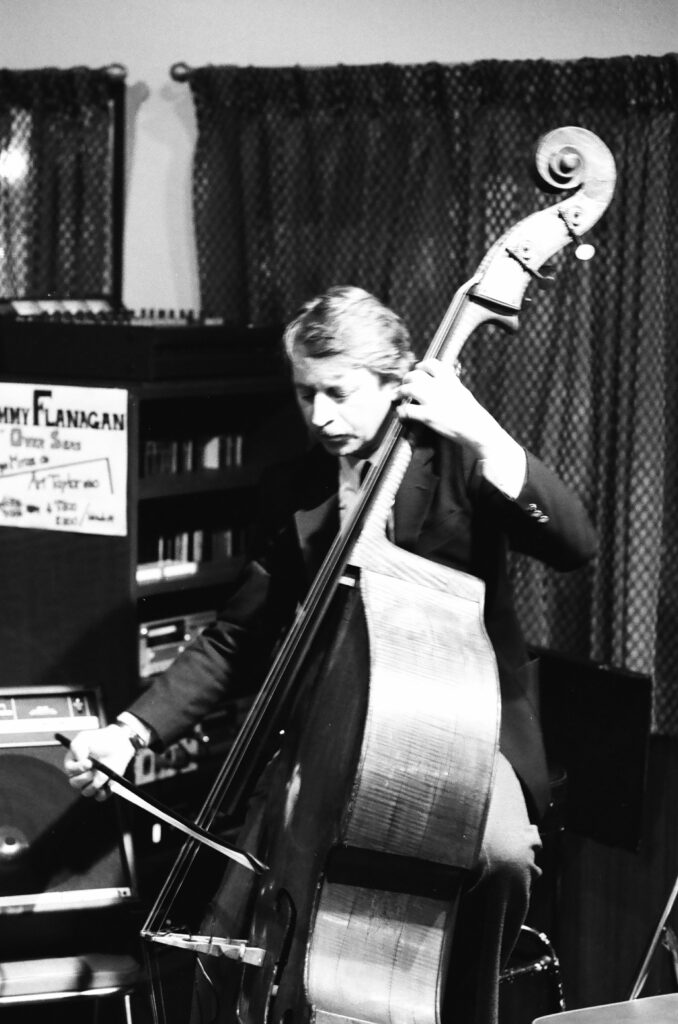
Geoge Mraz at OverSeas Club(’84)
A signature piece for bassist George Mraz during the Tommy Flanagan Trio era, Passion Flower showcased his exceptional bowing at nearly every gig. In this concert, Zaiko Miyamoto’s beautiful bowing took the spotlight. Even after Mraz parted ways with Flanagan, he continued to perform this Strayhorn piece, eventually including it on his own album,My Foolish Heart(Milestone, 1995).
6. Eclypso (Tommy Flanagan)
One of Flanagan’s renowned, uplifting originals, Eclypso appears to be inspired by Bud Powell’s So Sorry Please. Eclypso holds a special place in pianist Terai’s memories. During Terai’s first visit to New York at Flanagan’s invitation, Flanagan performed this piece on the final night of that unforgettable trip at the Village Vanguard, dedicating it to his protégé with a heartfelt announcement to the audience.
7. Easy Living (Ralph Ranger)
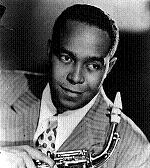
Billie Holiday (1915-59)
Since the 1937 recording by Billie Holiday with Teddy Wilson and his Orchestra turned it into a hit, many jazz musicians who admired Lady Day have covered the song, making it a jazz standard. On the night of Flanagan’s passing, Terai poignantly played the song through his tears. Now, 24 years later, the sound of Terai’s piano transcends grief and loss, even conveying the joy of music.
8. Our Delight (Tadd Dameron)
Tadd Dameron (1917-65)
A well-known piece written by Tadd Dameron for the Dizzy Gillespie Orchestra during the height of the bebop era in the mid-1940s, Our Delight highlights Flanagan’s musical style, which seamlessly incorporates the dynamism of big band arrangements into a piano trio. Flanagan had a customary introduction for this piece: “Bebop is the music before the Beatles and after the Beatles!” The more enthusiastic the applause in agreement, the more magnificent the performance became.
Encore:
Thad Jones
1. To You (Thad Jones)
Let”s (Enja, 1993)
A beautiful ballad featured on Flanagan’s Thad Jones songbook album, “Let’s.” The first recording of this piece was on “First Time!,” the only collaborative album between two legendary big bands—Count Basie and Duke Ellington—recorded in 1962. However, considering that all the other pieces on “Let’s” were selections Flanagan had played with Jones at the Blue Bird Inn (1953-54), it is most likely that “To You” also dates back to that period. The shifting phases of sound, reminiscent of the waxing and waning of the moon, along with its distinctive rhythm that makes use of silence, evoke the traditional aesthetics of Japanese ink painting, where every brushstroke is deliberate and essential. With a piano touch inherited from Flanagan, Terai has recently added this piece to his repertoire.
2. Like Old Times (Thad Jones)
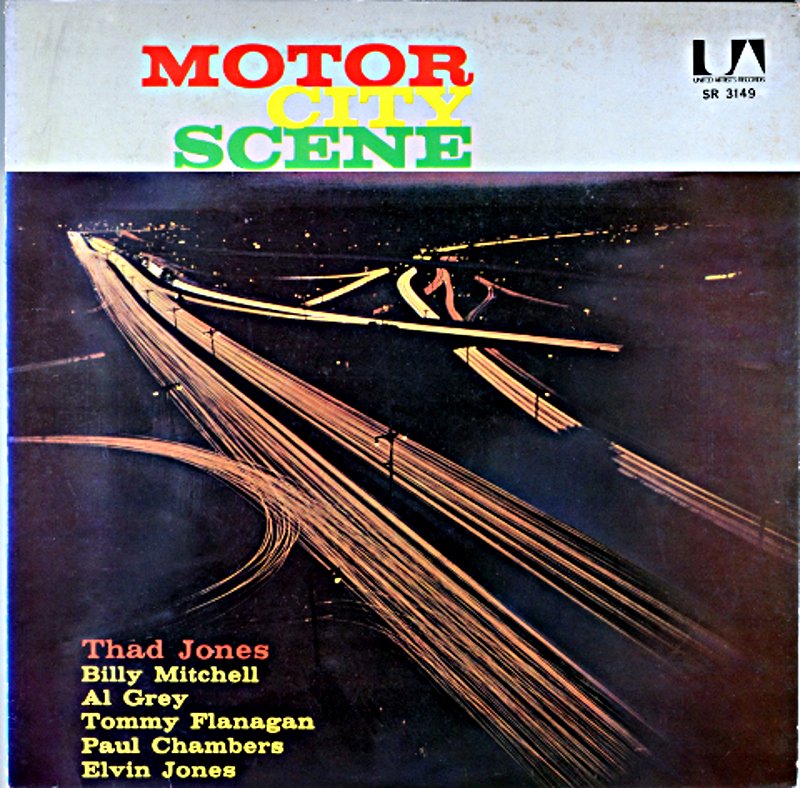
Another piece from the Blue Bird Inn era, “Like Old Times” was recorded by Flanagan and Jones on Jones’ Motor City Scene (United Artists, 1959). Over the years, the tune became a staple encore in Flanagan’s performances. Occasionally, he would playfully pull out a small whistle from his pocket and blow it at just the right moment, sparking laughter from the audience. At this concert, Terai carried on the tradition, whistling in the same playful manner—just like old times.
1. 50-21 (Thad Jones) 2, Beyond the Blue Bird (Tommy Flanagan) 3. Medley: Embraceable You (George Gershwin) – Quasimodo (Charlie Parker) 4. Minor Mishap (Tommy Flanagan) 5. Sunset and the Mockingbird (Duke Ellington, Billy Strayhorn) 6. Beats Up (Tommy Flanagan) 7. Dalarna (Tommy Flanagan) 8. Tin Tin Deo (Chano Pozo, Gill Fuller, Dizzy Gillespie)
=2nd Set=
1.That Tired Routine Called Love (Matt Dennis) 2. With Malice Towards None (Tom McIntosh) 3.A Sleepin’ Bee (Harold Arlen) 4. They Say It’s Spring (Bob Haymes) 5. Passion Flower (Billy Strayhorn) 6. Eclypso (Tommy Flanagan) 7. Easy Living (Ralph Ranger) 8. Our Delight (Tadd Dameron)
Encore 1. To You (Thad Jones) 2. Like Old Times (Thad Jones)
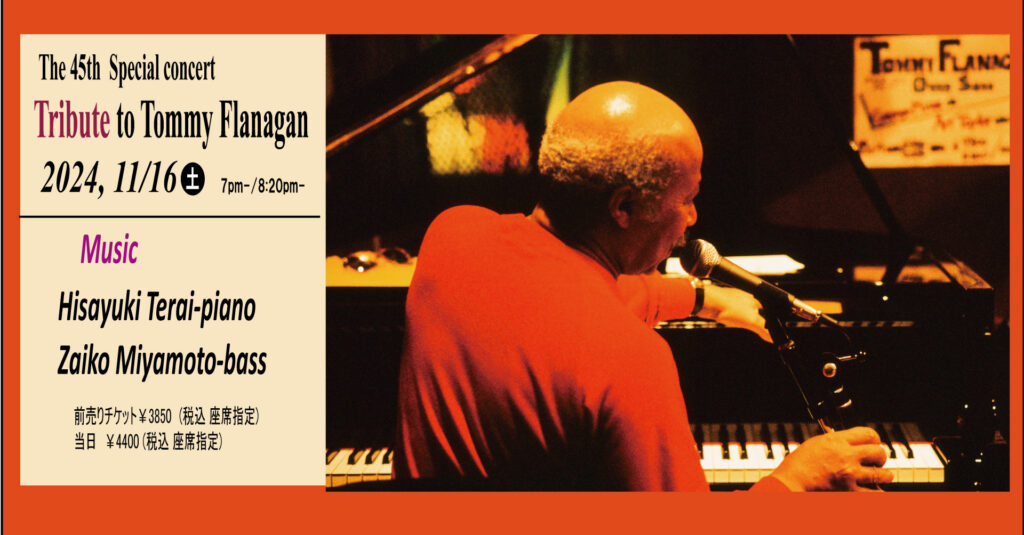
The 45th Tribute Concert io November 16, the anniversary of Flanagan’s death
Pianist and Jazz Club OverSeas owner Hisayuki Terai has honored his mentor, piano giant Tommy Flanagan (1930-2001), by performing special concerts exclusively featuring Flanagan’s iconic repertoire each year in the months of his birth and passing since his death. It is 45th tribute to Flanagan.
A playful piece composed by Thad Jones, many of whose works Tommy Flanagan cherished throughout his life. Despite its seemingly simple melody, the piece has a challenging structure, with irregular measures and frequent key changes—a playfully ironic contrast to its title. This clever naming reflects both the musical genius of Jones and the defining characteristics of Detroit hard bop.
2. Beyond the Blue Bird (Tommy Flanagan) Flanagan wrote the piece in 1990 with nostalgia for the legendary jazz club in Detroit’s black community, the Blue Bird Inn, and the tune became the title track of his album, featuring fellow Detroiter guitar master Kenny Burrell. Prior to the album’s release, Flanagan had Terai transcribe this music in New York City. With subtle and rapid key changes, it embodies typical Flanagan music, exuding elegance and depth.
3. Rachel’s Rondo (Tommy Flanagan)
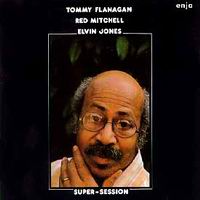
Flanagan’s vibrant original, Rachel’s Rondo, is dedicated to his elder daughter, Rachel. Although Flanagan’s recording of the piece can only be found on the album Super Session (Enja, 1980), featuring Red Mitchell (bass) and Elvin Jones (drums), the piece remains a favorite among our patrons at OverSeas.
4. Medley: Embraceable You(Ira& George Gershwin) ~Quasimodo(Charlie Parker)
Charlie Parker (1920-55)
Flanagan’s style cannot be discussed without considering his medleys. Charlie Parker wrote a bop tune based on the chord changes of the famous Gershwin song Embraceable You and named it Quasimodo after the hideous character from The Hunchback of Notre-Dame. The medley, which ingeniously connects the original piece with Parker’s bop tune through exquisite key changes, expresses his message that true “beauty” lies not in appearance, but within one’s soul. Among Flanagan’s numerous medleys, this one stands as a legendary signature piece, though unfortunately, no recording with his regular trio exists.
5. Lament (J. J. Johnson)
J. J. Johnson (1924~2001)
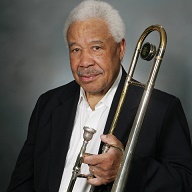
One of the masterpieces composed by trombone virtuoso J.J. Johnson, with whom Flanagan performed regularly, leaving behind many albums such as Dial J.J. 5 (Columbia ’57). Flanagan favored the elegance and nobility of the song and frequently performed it live, so much so that for many seasoned jazz club goers, hearing Lament brings to mind the legendary Bradley’s jazz club in University Place, NYC, where Flanagan often played. Flanagan’s only recording under his own name is Jazz Poet (Timeless ’89), but even after that, he continued to perform it, with the arrangement evolving over time. The second riff used by Terai in this concert is a new version that followed the one on the album.
6. Elusive (Thad Jones)
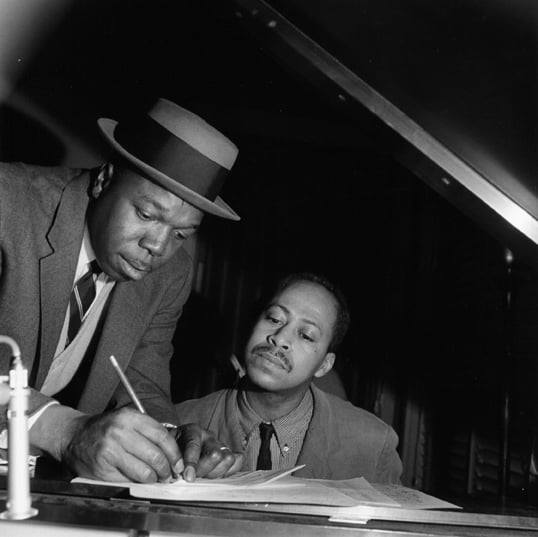
Thad Jones and T.Flanagan
A Thad Jones composition, filled with a devilish thrill. In 1950s Detroit, a young Flanagan in his twenties played this challenging piece with Jones at the Blue Bird Inn, effortlessly navigating its complexities.
7. Dalarna (Tommy Flanagan)
Flanagan’s early composition, Dalarna, was first recorded on Overseas (Metronome/Prestige), an album produced during an extensive 1957 tour of Sweden with the J.J. Johnson Quintet. They performed concerts across various locations in the country. It’s easy to imagine that Flanagan was inspired by the beauty of Dalarna region. Although Flanagan didn’t revisit the tune for many years, he was inspired anew by Terai’s 1995 CD Dalarna, which prompted him to re-record it for Sea Changes (1996, Alfa), using Terai’s arrangement. Immediately after the recording, Flanagan excitedly called Terai to announce, “I’ve recorded Dalarna!” His lively voice still resonates in Terai’s heart to this day.
Darlana
8. Tin Tin Deo (Chano Pozo, Gill Fuller Dizzy Gillespie)
Chano Pozo and Dizzy Gillespie
The first set closes with an Afro-Cuban jazz classic, pioneered by Dizzy Gillespie. Flanagan created an exquisite piano trio version, preserving the vitality of the earthy Cuban rhythms and the wistful melody. It’s characteristic of Flanagan’s style to reinterpret big band repertoire with a compact piano trio, delivering a more dynamic performance.
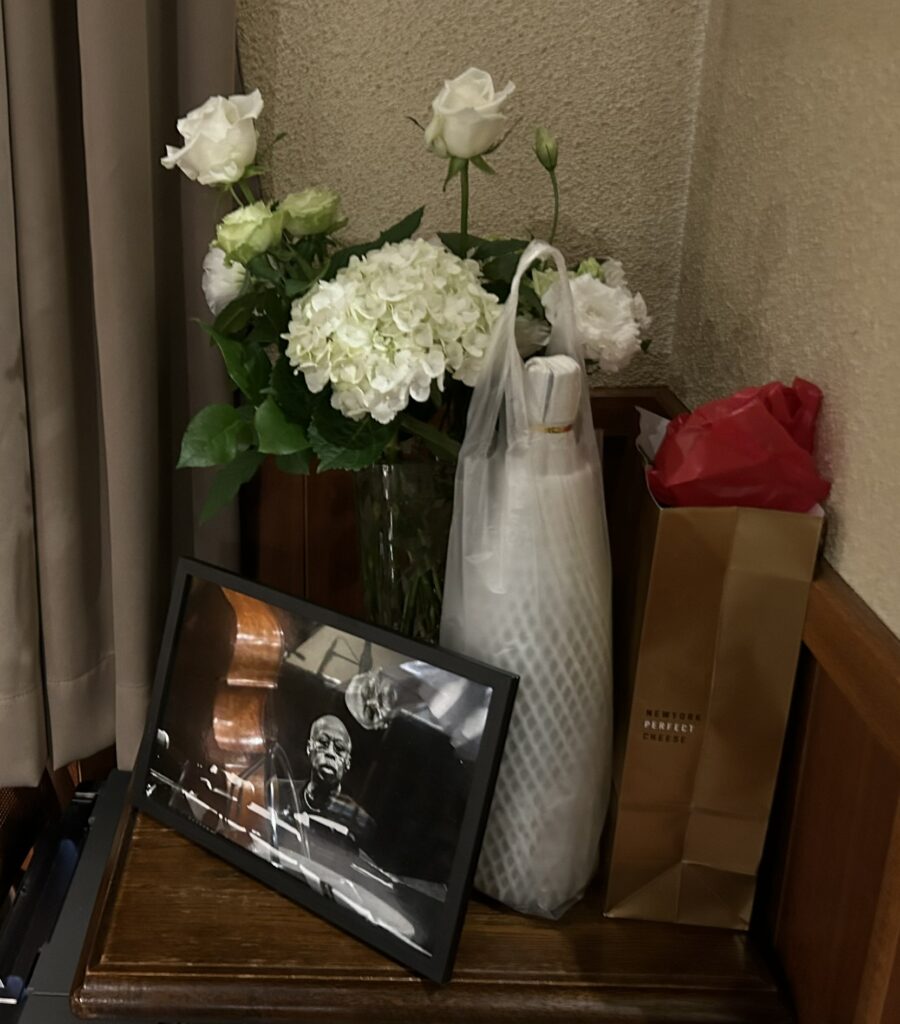
Offerings to Flanagan and the photo sent by Swedish bass master, Hans Backenroth
<2nd> 1. That Tired Routine Called Love (Matt Dennis)
A witty love song written by Matt Dennis, a singer-pianist and composer-arranger best known for penning numerous hits for Frank Sinatra. His compositions, though pleasant to the ear, are often tricky to play, making them favorites among jazz musicians. This particular tune, with its frequent modulations, presents a challenge to jazz players. Trombone virtuoso J.J. Johnson recorded it with Flanagan for the album First Place (Columbia, ’57). Over 30 years later, Flanagan revisited the tune on his own album Jazz Poet (Timeless, ’89), with the arrangement continuing to evolve in subsequent performances. Terai performs this evolved version of the arrangement.
2. Smooth As the Wind (Tadd Dameron)
This composition, which encapsulates the essence of bebop aesthetics, was penned by Tadd Dameron, another of Flanagan’s favorite composers in his piano trio years. Its robust yet gracefully elegant texture and the way its harmonies unfold—much like magnificent roses blooming one after another—are truly breathtaking.
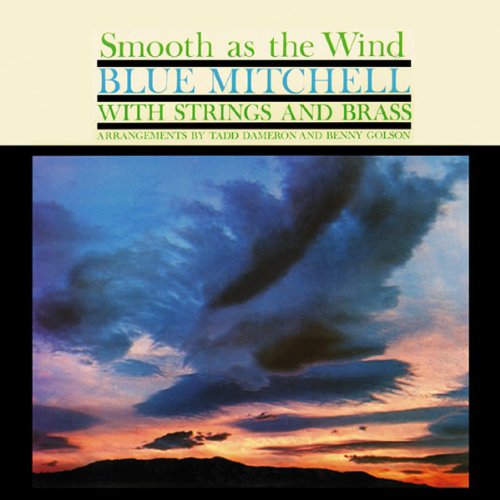
Dameron wrote this piece during his time in a federal prison hospital in Lexington, Kentucky, for trumpeter Blue Mitchell’s eponymous album, Smooth as the Wind (Riverside, 1960), in which Flanagan also participated. The song unfolds like a poetic narrative, and the artistry in its arrangement reflects the enduring legacy of Tommy Flanagan.
A medley of two original compositions by Tommy Flanagan. Thelonicais a tribute to the rare and remarkable friendship between Thelonious Monk and Baroness Pannonica. It serves as the title track of the album Flanagan recorded in 1982 with his trio featuring George Mraz and Arthur Taylor. Minor Mishap was first recorded on Flanagan’s debut album as a leader, Cats (New Jazz, 1957), which features John Coltrane and Kenny Burrell and remains popular to this day. The tune’s name reflects the musical circumstances of the recording session. It became one of Flanagan’s most frequently performed pieces throughout his career.
4. If You Could See Me Now (Tadd Dameron)
One of Dameron’s classic ballads, composed for the then-rising star Sarah Vaughan in 1946. Flanagan often praised Dameron’s works, saying, “It’s really easy to play because his music has a built-in orchestra.” Flanagan’s rendition incorporates the second riff featured in Vaughan’s 1981 recording with the Count Basie Orchestra, masterfully capturing the orchestral essence embedded in the piece.
5. Eclypso (Tommy Flanagan)
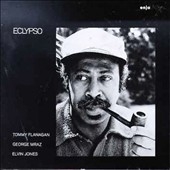
Eclypso (Enja 1975)
One of Flanagan’s renowned uplifting originals, Eclypso holds a special place in pianist Terai’s memories. During Terai’s first visit to New York at Flanagan’s invitation, Flanagan performed this piece on the final night of the unforgettable trip at the Village Vanguard, dedicating it to his protégé with a heartfelt announcement to the audience.
6. But Beautiful (Jimmy Van Heusen)
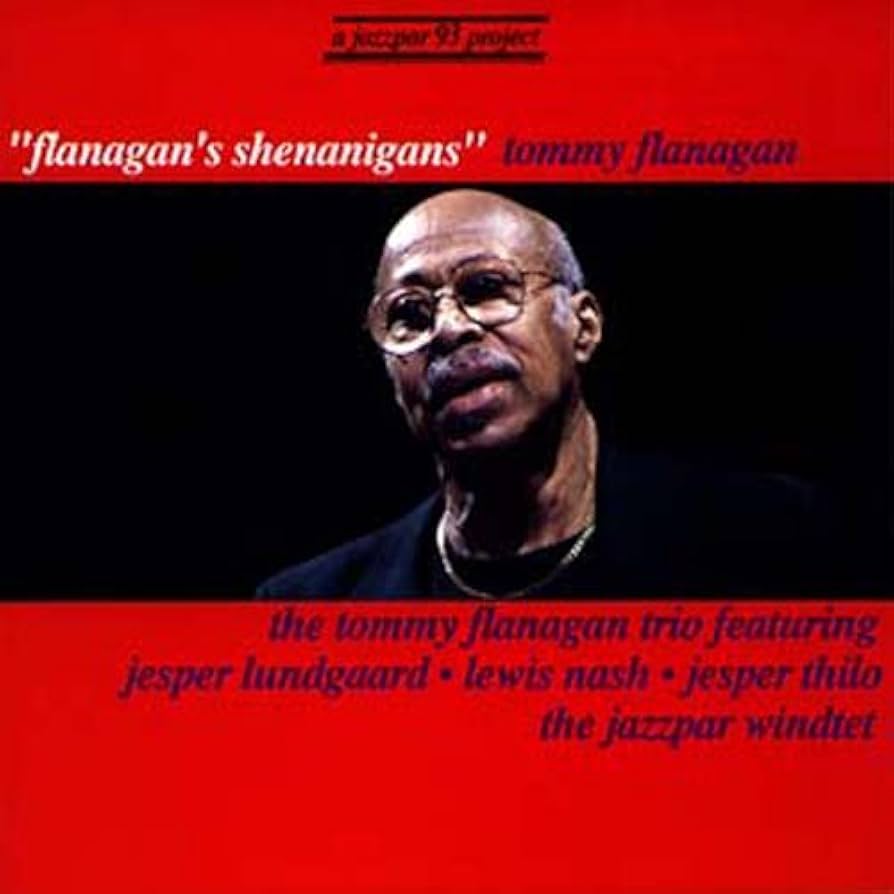
Flanagan frequently performed this beautiful ballad in the 1990s, inspired by Terai’s remarks. One afternoon, while relaxing with Terai at OverSeas, a track from Frank Wess Quartet’s Moodsville 8 (Prestige, 1960), featuring Flanagan on piano, began playing in the background. Terai passionately commented on the rendition, saying, “Your intro here is the greatest in jazz history! Because…” Flanagan responded with a nonchalant “hmm,” flaring his nostrils. Yet not long after, he delivered a memorable performance of the piece during the Jazzpar Prize celebration concert Flanagan’s Shenanigans in Copenhagen, Denmark, in 1993.
7. Our Delight (Tadd Dameron)
Tadd Dameron (1917-65)
Flanagan often closed his shows with this Tadd Dameron composition, showcasing his ability to infuse the dynamism of big band music into a piano trio setting. He had a customary introduction for the piece: “Bebop is the music before the Beatles and after!” The more enthusiastic the audience’s applause in agreement, the more magnificent his performance would become. In this concert’s duo setting, Terai and Miyamoto delivered a performance that was every bit as dynamic.
Encore: With Malice Toward None (Tom McIntosh)
Tom McIntosh (1927-2017)
Flanagan’s cherished spiritual masterpiece, recorded with George Mraz on Ballads & Blues, holds a special place in the heart of this club. The composer, trombonist Tom McIntosh, was not only a close friend but also a neighbor of Flanagan, who witnessed the song’s creative process firsthand. Flanagan’s ideas were intricately woven into the piece. Its title is drawn from a famous quote in Abraham Lincoln’s post-Civil War speech, while its melody is based on the hymn Jesus Loves Me. This deeply moving song has, on occasion, brought patrons to tears.
Ellingtonia
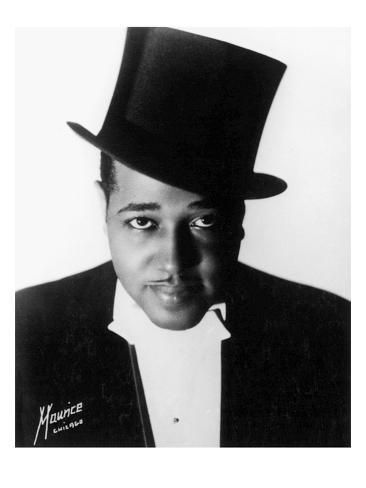
Duke Ellington (1899-1974)
Flanagan’s first concert at OverSeas took place in December 1984, marking the trio’s very first appearance at a jazz club in Japan. The extended Duke Ellington medley performed that night became a profound and lasting inspiration for Terai.
Tommy Flanagan at OverSeas Club 1984
Chelsea Bridge (Billy Strayhorn)
A composition by Ellington’s collaborator, Billy Strayhorn. In 1957, Flanagan, who deeply admired Strayhorn, happened to encounter him on the streets of New York. Flanagan introduced himself, saying, “I’ll soon be touring Sweden with J.J. Johnson and plan to record some of your pieces with my trio.” Strayhorn, moved by the young pianist’s enthusiasm, took him to his music publishing office and generously gave him as many scores of his compositions as he could. Among them was Chelsea Bridge, which Flanagan recorded with heartfelt intensity on his early masterpiece album, Overseas. That unforgettable performance continues to captivate us to this day.
Passion Flower (Billy Strayhorn)
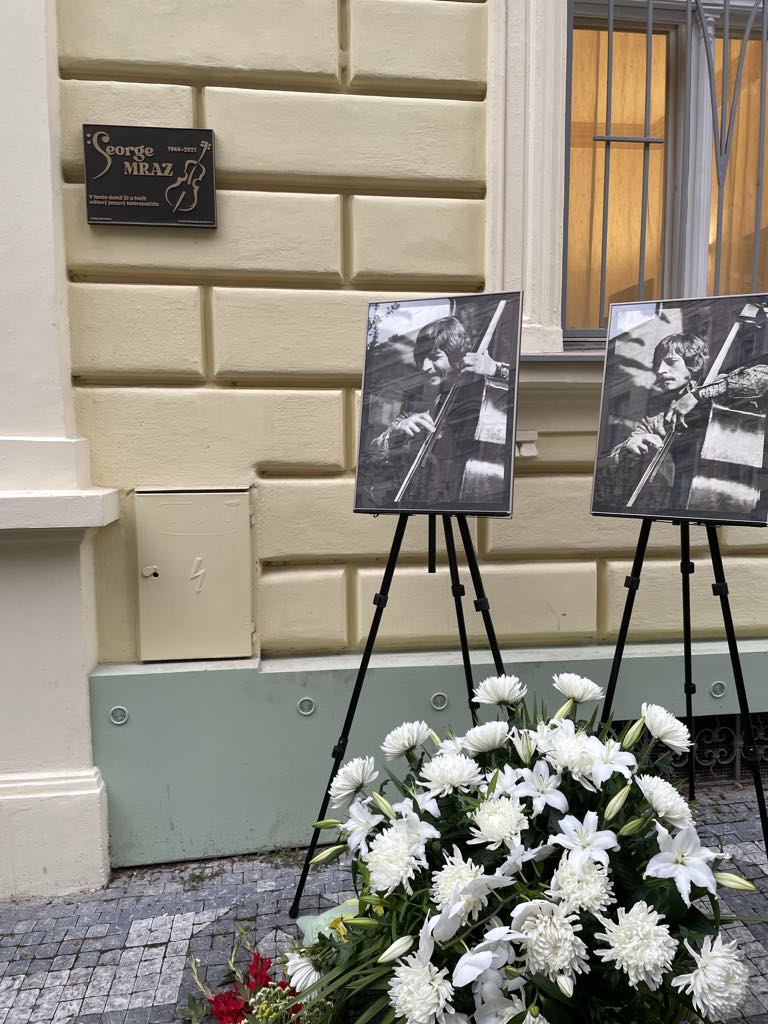
George Mraz memorial plate ceremony in Prague The white bouquet sent by Terai
A regular feature of the Flanagan Trio’s performances during the time bassist George Mraz was part of the group, showcasing his masterful bow technique. In this tribute, bassist Zaiko MIYAMOTO’s rendition of the piece is exceptional. Mraz continued to perform this song after he struck out as a leader, including it on his own album, My Foolish Heart (1995). Mraz, who was like an older brother to Terai, sadly passed away three years ago, and this year, a monument was finally erected in his honor in his hometown of Prague, Czech Republic.
Black & Tan Fantasy (Duke Ellington)
The finale is a signature piece from Flanagan’s last years during Flanagan returning to his musical roots. Originally a hit from the early Duke Ellington Orchestra nearly 100 years ago, this piece became a memorable moment during Flanagan’s final visit to OverSeas Club. When Terai performed it, Flanagan offered rare praise, making the moment even more unforgettable.
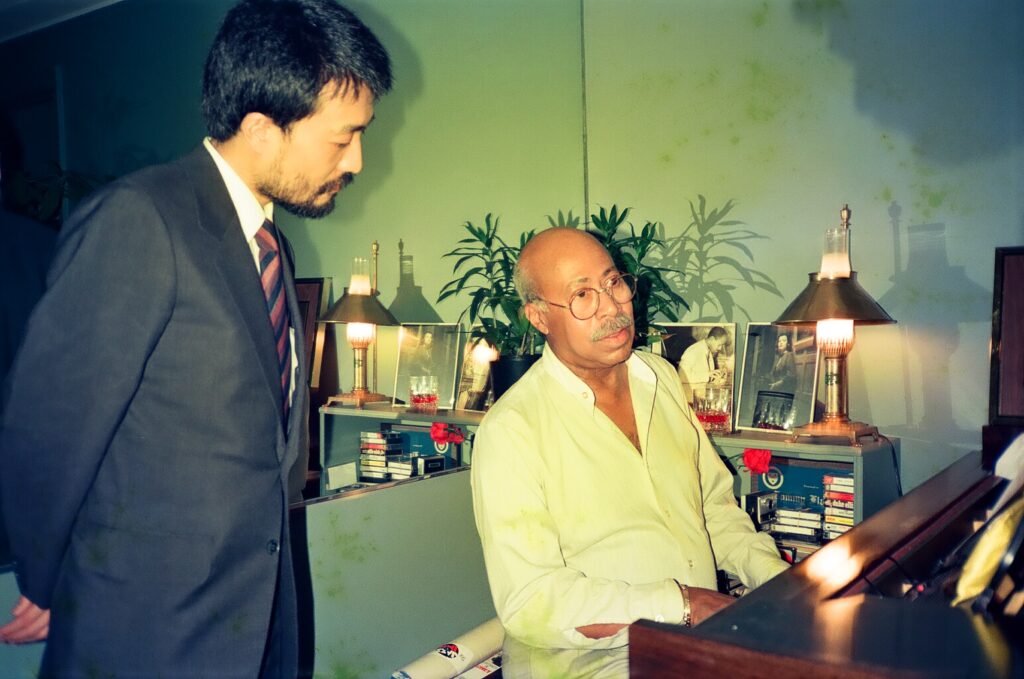
Hisayuki Terai first sought to become a disciple of Tommy Flanagan in 1975, but it wasn’t until nine years later, in 1984, that he was recognized as his student. After that, Terai continued to send Flanagan performance tapes, and in 1989, he was ordered by Flanagan to come to New York. Flanagan took Terai under his wing, accompanying him to various musical events, introducing him to numerous jazz giants, providing performance opportunities, and giving him plenty of chances to closely listen to his own playing. From then until Flanagan’s passing, he taught Terai everything he could. Now, at 72 years old, Terai has surpassed Flanagan’s age at the time of his passing, but perhaps his passion for passing on his mentor’s music has never been stronger than it is now.
The next Tommy Flanagan Tribute will be held on Saturday, March 15th, next year.
2. Beyond the Blue Bird (Tommy Flanagan) 〈ビヨンド・ザ・ブルーバード〉1950年代前半、20代のフラナガンが、サド・ジョーンズ達とデトロイト・ハードバップを開花させた場所は、デトロイトの黒人居住区にあった伝説的ジャズクラブ《ブルーバード・イン》だ。後年フラナガンがノスタルジーを込めて作った曲で、1991年にリリースしたアルバムのタイトル曲とした。《ブルーバード》の客層は、自動車産業に従事する黒人労働者で、ジャズを愛し、若手ミュージシャンを応援するアット・ホームな店だったと語ってくれたことがある。 シンプルで親しみやすいメロディの裏にある綿密な転調と、”返し”と呼ばれる左手のカウンター・メロディが、デトロイト・ハードバップの特徴。寺井はアルバム(左上写真)のリリース前、フラナガンから譜面を授かり演奏を許された。
寺井尚之がフラナガンに弟子入り志願したのは1975年、正式に弟子として認められたのは9年後、1984年のことです。以降、NYのフラナガンに演奏テープを送り続け、「NYに来なさい!」と命令されたのが1989年、フラナガン師匠は、寺井を色々な音楽の場に同行し、色々な巨匠に紹介し、演奏チャンスを与え、自分の演奏も間近でたっぷり聴く機会を与えました。それからはフラナガンが亡くなるまで、何でも教えてくれたそうです。今年で寺井は72才になり、フラナガンの享年を追い越してしまいましたが、師匠の音楽を伝えようとする熱意は今が一番強いのかもしれません。 次回のトミー・フラナガン・トリビュートは来年の3月15日(土)に開催予定です。 どうぞこれからも応援宜しくお願い申し上げます。(text by 寺井珠重)
<1st> 1. Bitty Ditty (Thad Jones) 2. Beyond the Blue Bird (Tommy Flanagan) 3. Rachel’s Rondo (Tommy Flanagan) 4. Medley: Embraceable You (George Gershwin) ~Quasimodo(Charlie Parker) 5. Lament (J. J. Johnson) 6. Elusive (Thad Jones) 7. Dalarna (Tommy Flanagan) 8. Tin Tin Deo (Chano Pozo, Gill Fuller, Dizzy Gillespie)
<2nd> 1. That Tired Routine Called Love (Matt Dennis) 2. Smooth As the Wind (Tadd Dameron) 3. Medley: Thelonica(Tommy Flanagan)~Minor Mishap (Tommy Flanagan) 4. If You Could See Me Now (Tadd Dameron) 5. Eclypso (Tommy Flanagan) 6. But Beautiful (Jimmy Van Heusen) 7. Our Delight (Tadd Dameron)

 第47回Tribute to Tommy Flanagan Concert