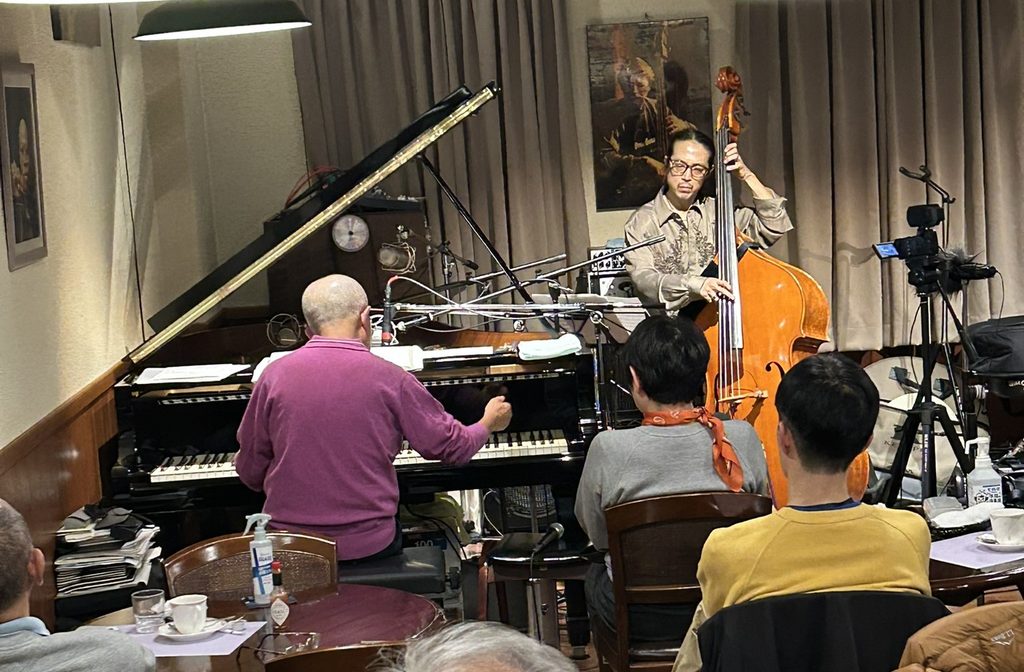
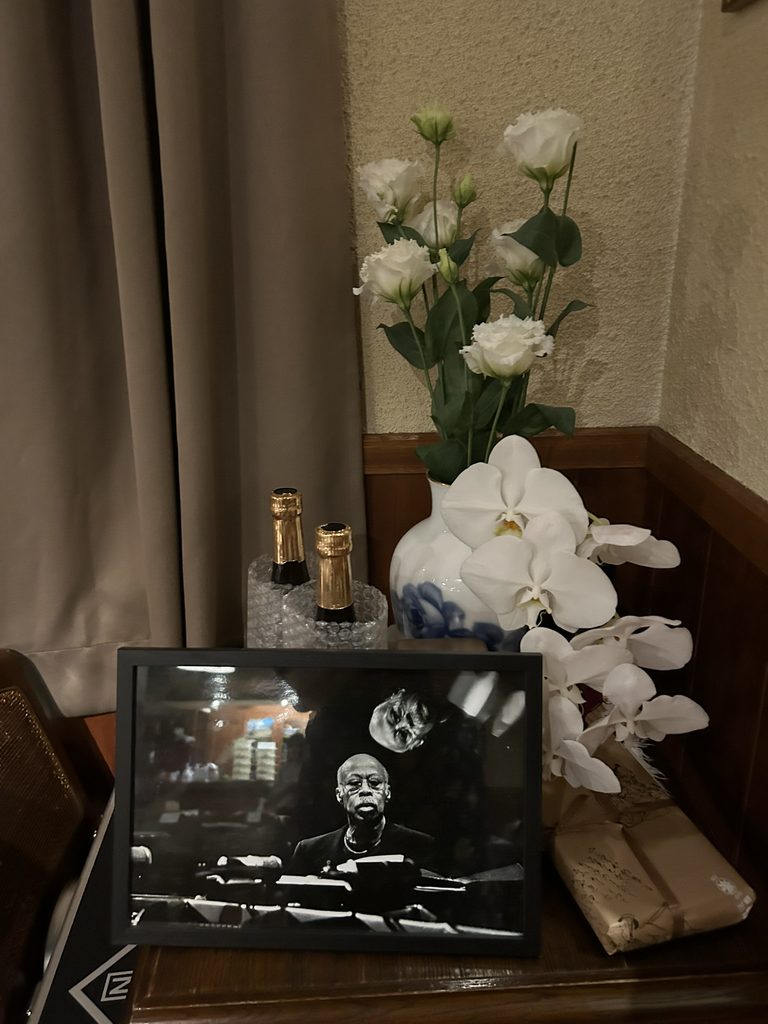
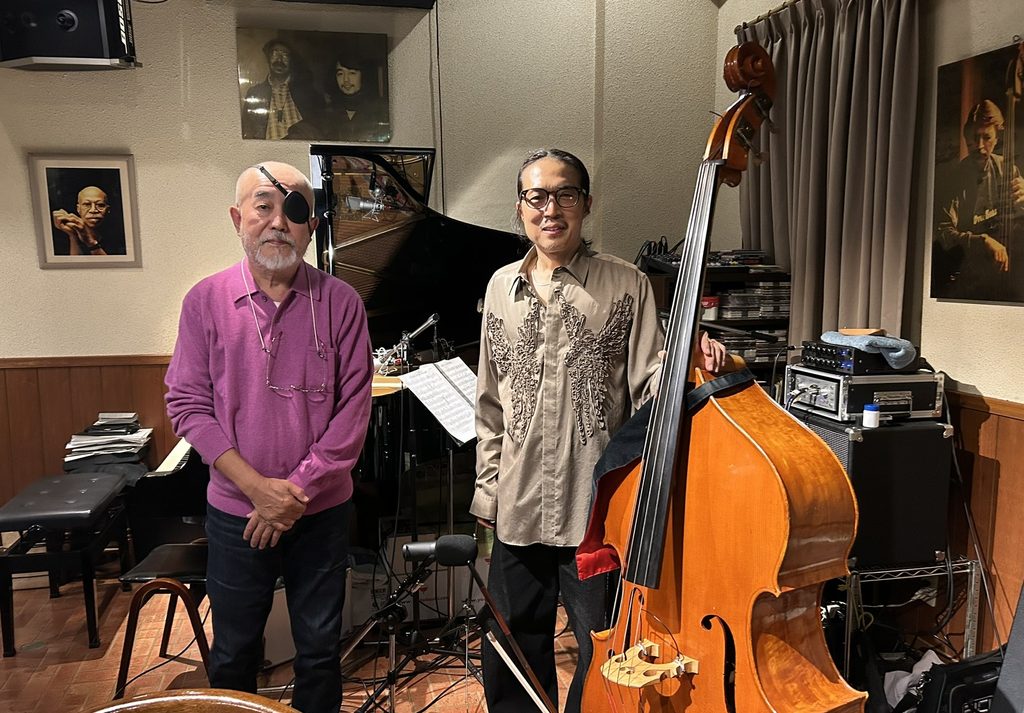
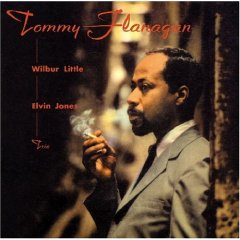
Pianist and Jazz Club OverSeas owner Hisayuki Terai has honored his mentor, piano master Tommy Flanagan (1930-2001), by performing special concerts featuring Flanagan’s iconic repertoire every year in the months of his birth and passing. The 49th tribute to Flanagan took place on November 21, 2026.
<1st Set>
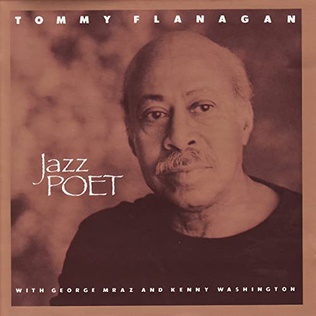
1. Raincheck (Billy Strayhorn) One of the signature compositions by Billy Strayhorn, a composer Tommy Flanagan deeply admired. Said to have been written on a rainy day in Los Angeles during World War II, the tune is full of brisk, buoyant energy that seems to sweep the rain clouds away.
Flanagan recorded it for his acclaimed album Jazz Poet, featuring his stellar trio with George Mraz (bass) and Kenny Washington (drums). Tonight’s performance captures Flanagan’s distinctive approach, combining exhilarating drive with unmistakable elegance.
2. Beyond the Blue Bird (Tommy Flanagan)
Flanagan composed “Beyond the Blue Bird” in 1990 as a fond reminiscence of the Blue Bird Inn, the legendary Detroit jazz club where he had come of age musically. The tune became the title track of his album, which features a guest appearance by fellow Blue Bird Inn veteran and guitar virtuoso Kenny Burrell.
Before the album’s release, Flanagan had Terai to transcribe the piece at his apartment on New York City’s Upper West Side. With its subtle yet frequent modulations, the composition exemplifies Flanagan’s distinctive style, combining elegance with harmonic depth.
3. Medley: Embraceable You (George Gershwin)
~Quasimodo(Charlie Parker)
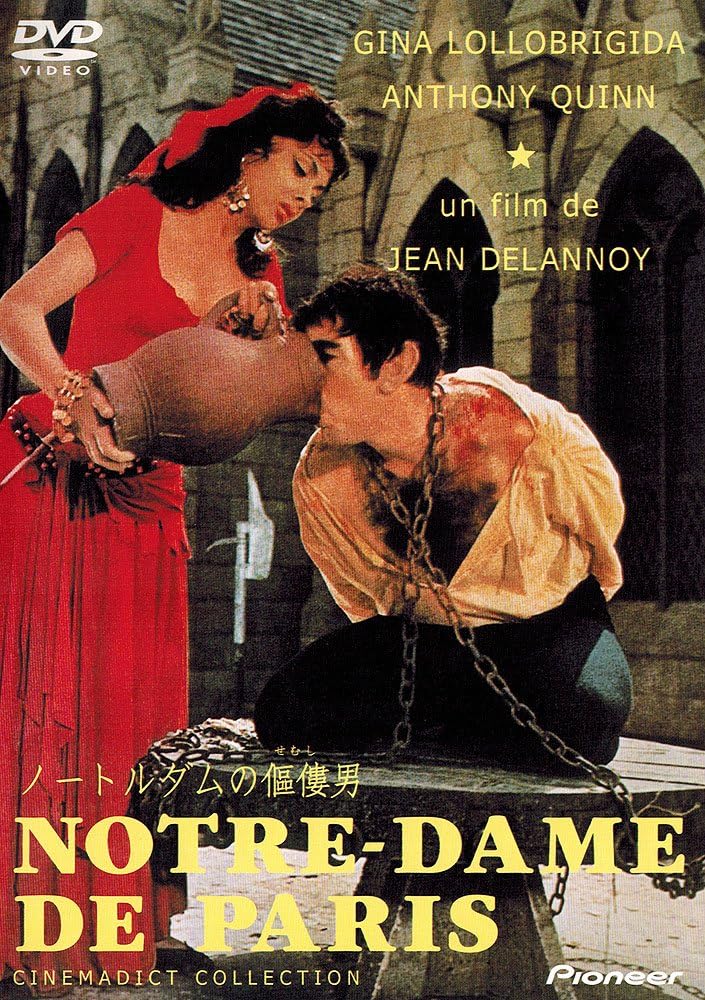
Flanagan’s musical identity is inseparable from his art of creating medleys. Charlie Parker composed a bebop tune based on the chord changes of George Gershwin’s famous ballad “Embraceable You,” naming it “Quasimodo” after the disfigured protagonist of Victor Hugo’s The Hunchback of Notre-Dame.
Ingeniously weaving the original ballad together with Parker’s bebop variation through a series of exquisite modulations, this medley seems to suggest that true beauty lies not in outward appearance but in the soul. Among Flanagan’s many medleys, this one became a legendary signature piece. Unfortunately, no legitimate recordings exist of him performing it with his regular trio.
4. Lament (J. J. Johnson)
A composition by the legendary trombonist J.J. Johnson. Flanagan was a regular member of Johnson’s band in the late 1950s, and the two left behind numerous recordings together, including Dial J.J. 5.
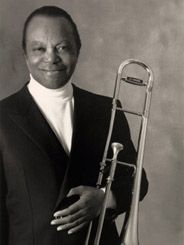
“Lament” is said to have been composed during a period (1952–54) when Johnson had withdrawn from the jazz scene and was working as an inspector at an architectural blueprint factory. Its inherent elegance was a perfect match for Flanagan’s sensibility. From the 1970s onward, he performed it frequently in live settings, so much so that some fans say the tune brings back memories of Bradley’s, the Greenwich Village club where Flanagan often played.
Flanagan recorded the piece under his own name only once, on Jazz Poet (Timeless, 1989). However, he continued to perform it after that recording, refining and developing his arrangement over the years.
The second riff featured in tonight’s performance represents a later stage in that evolution, going beyond the version heard on Jazz Poet.
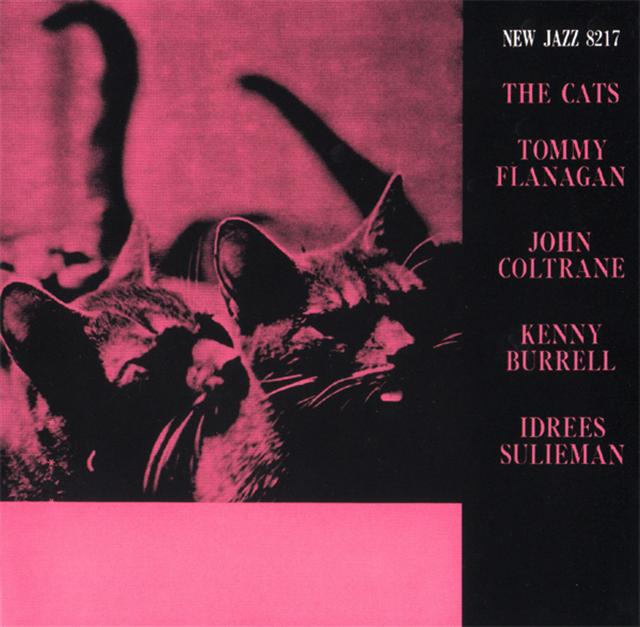
5. Minor Mishap (Tommy Flanagan)
One of Flanagan’s best-known original compositions, this tune first appeared on his debut album as a leader, Cats (New Jazz, 1957), featuring John Coltrane and Kenny Burrell. The album remains popular to this day.
The tune’s title was inspired by an incident during the recording session. Over the course of his career, Flanagan performed this piece more frequently than any of his other original compositions.

6. Dalarna (Tommy Flanagan)
An early Flanagan composition bearing traces of the Impressionist music he had encountered in his youth, “Dalarna” was first recorded for Overseas, during the J.J. Johnson Quintet’s extensive tour of Sweden in 1957. The quintet performed concerts in various locations throughout the country. One can easily imagine that Flanagan was inspired by the natural beauty of Dalarna, a region of central Sweden.
Although Flanagan did not revisit the tune for many years, he found fresh inspiration in Terai’s CD Dalarna (Flanagania Record, 1995). This prompted him to record the piece again for Sea Changes (Alfa, 1996), using Terai’s arrangement.
Immediately after the recording session, Flanagan excitedly called Terai: “I’ve recorded Dalarna!” The excitement in Flanagan’s voice remains vivid in Terai’s memory to this day.
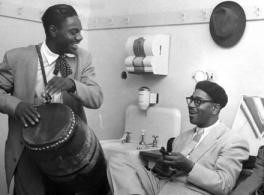
7. Tin Tin Deo (Chano Pozo, Gill Fuller Dizzy Gillespie)
The first set closes with an Afro-Cuban jazz classic pioneered by Dizzy Gillespie. Flanagan created an exquisite piano trio arrangement, retaining the earthy power of the Cuban rhythms while bringing out the melody’s wistful character.
A hallmark of Flanagan’s artistry was his ability to distill the richness of big band arrangements into the intimate piano trio format, creating interpretations that were often even more dynamic and compelling.
<2nd>
1. That Tired Routine Called Love (Matt Dennis)
A witty love song by Matt Dennis, the singer-pianist, composer, and arranger best known for writing numerous hit songs for Frank Sinatra. Though pleasant to the ear, Dennis’s compositions are often deceptively challenging to play and have long been favorites among jazz musicians. This particular tune, with its frequent modulations, appeals to the adventurous spirit of jazz players who relish a musical challenge.
Trombone master J.J. Johnson recorded the piece with Flanagan on First Place (Columbia, 1957). More than 30 years later, Flanagan included it on his own album Jazz Poet (Timeless, 1989). He continued to refine the arrangement through subsequent live performances, and Terai performs this later, evolved version.
2. Smooth As the Wind (Tadd Dameron)
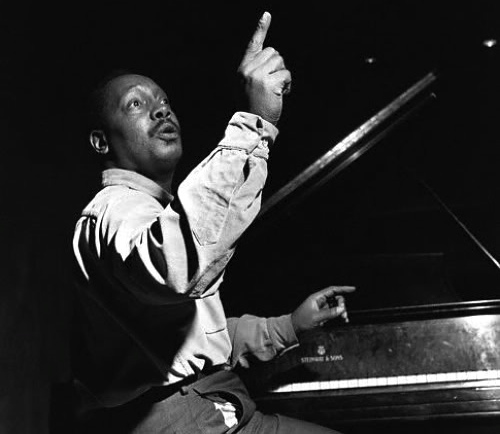
This composition, embodying the very essence of bebop aesthetics, was written by Tadd Dameron, one of Flanagan’s favorite composers throughout his career. Its rich, full-bodied sound is balanced by an exquisite elegance, while its harmonies blossom one after another like magnificent roses in full bloom. The effect is truly breathtaking.
Dameron wrote the piece while serving time at the federal prison hospital in Lexington, Kentucky, for trumpeter Blue Mitchell’s album Smooth as the Wind (Riverside, 1960), on which Flanagan also performed. The piece unfolds like a poetic narrative. Flanagan’s remarkable ability to distill the richness of Dameron’s big band arrangement into the piano trio format reveals his extraordinary artistry as an arranger and stands as a testament to his enduring musical legacy.
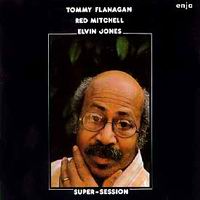
3. Rachel’s Rondo (Tommy Flanagan)
The Flanagan vibrant original, Rachel’s Rondo was dedicated to his elder daughter, Rachel. Although Flanagan’s recording of the piece is found only on the album “Super Session”(Enja, ’80) with Red Mitchell (b) and Elvin Jones (ds), the song has been popular among our patrons at OverSeas.
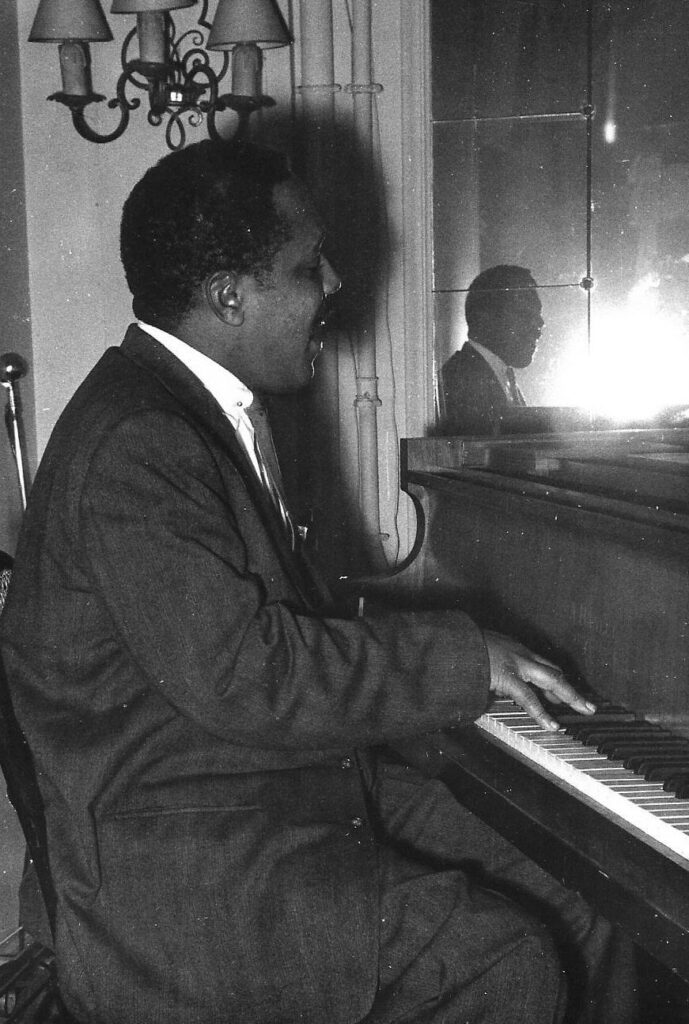
4. I’ll Keep Loving You (Bud Powell)
A quietly intense ballad believed to have been written by the innovative bebop pianist Bud Powell for his singer friend, Daly Fern. Flanagan’s interpretations remained true to Powell’s original character while adding a layer of refined beauty. Terai performs the piece with deep and enduring affection for his mentor.
5. Eclypso (Tommy Flanagan)
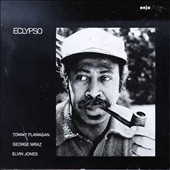
One of Flanagan’s best-known and most uplifting original compositions, Eclypso appears to have been inspired by Bud Powell’s So Sorry Please.
Eclypso holds a special place in Terai’s memories. During Terai’s first visit to New York, made at Flanagan’s invitation, Flanagan performed the tune on the final night of that unforgettable trip at the Village Vanguard. He dedicated it to his protégé, making a heartfelt announcement to the audience.
6. But Beautiful (Jimmy Van Heusen)
Flanagan frequently performed this beautiful ballad in the 1990s, inspired by Terai’s remarks. One afternoon, as the two were relaxing at OverSeas, a track from Frank Wess Quartet’s Moodsville 8 (Prestige, 1960), featuring Flanagan on piano, began playing in the background. Terai enthusiastically praised his performance, exclaiming, “Your intro here is the greatest in jazz history! Because…” Flanagan responded with a nonchalant “Hmm,” his nostrils flaring. Yet not long afterward, he gave a memorable performance of the piece at Flanagan’s Shenanigans, the Jazzpar Prize celebration concert held in Copenhagen in 1993.
7. Our Delight (Tadd Dameron)
Another Dameron masterpiece that Flanagan often used to close his concerts, though unfortunately few trio recordings of the piece survive.
Today, Terai may be the only pianist capable of recreating the thrilling, bop-driven arrangement Flanagan regularly performed onstage. His interplay with bassist Zaiko Miyamoto is always a highlight.
Encore:
With Malice Towards None (Tom McIntosh)
A spiritual signature for both Flanagan and Terai—and one of the most requested pieces at OverSeas.
The title echoes Abraham Lincoln’s famous quote, while the melody draws on the hymn Jesus Loves Me. Its message feels especially relevant today.
In composing the piece, McIntosh incorporated many ideas from his neighbor and friend, Flanagan—which may explain why Flanagan’s interpretation remains unmatched among all existing recordings.
Ellingtonia Medley(エリントニア)
Chelsea Bridge (Billy Strayhorn)
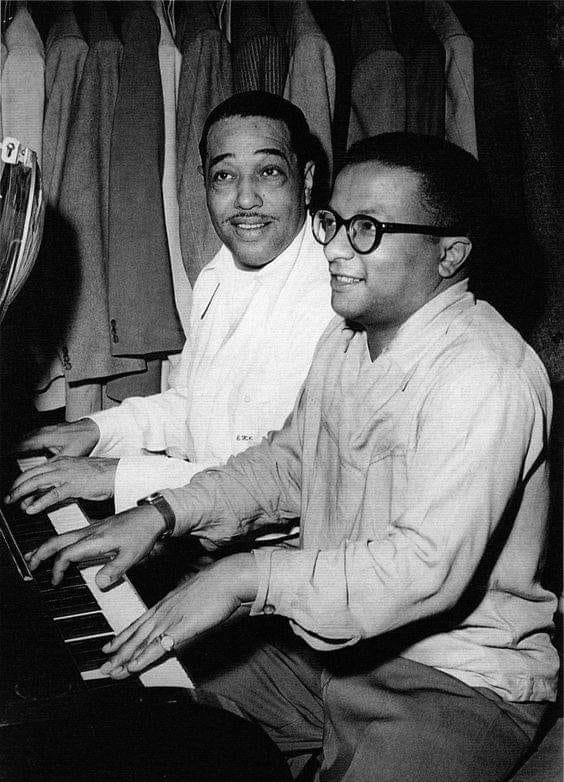
A composition by Duke Ellington’s collaborator, Billy Strayhorn. In 1957,
Flanagan was deeply admiring Strayhorn, coincidentally encountered him at the Beefsteak Charlie’s in NYC before his Sweden tour with J. J. Johnson. Upon greeting him with the news, “I’ll soon be touring with J.J., planning to record your songs with the trio,” Strayhorn invited him to his music publishing office and generously handed him a pile of sheet music of his own compositions. Among them was Chelsea Bridge, and Flanagan’s dedicated performance on the early masterpiece album “Overseas” continues to delight us to this day.
Late in life, he planned a full Strayhorn songbook album, a project sadly left unfinished.
Passion Flower (Billy Strayhorn)
A signature piece of bassist George Mraz during the years with Tommy Flanagan Trio Almost every night, it featured the exquisite skill of the bow. In the tribute, the bass by Zaiko Miyamoto’s exceptional bowing was featured. Even after Mraz left Flanagan, he continued to play this piece, and it was included in his own album ‘My Foolish Heart’ (Milestone, ’95)
Black & Tan Fantasy (Duke Ellington)
Late in his career, Flanagan energetically performed repertoire from the pre-Bebop era, songs he had enjoyed during his childhood. Perhaps he intended to trace back the roots of his own Black music journey. In this sense, the iconic tune “Black and Tan Fantasy” from the early years of the Ellington Orchestra during the Prohibition era (’27) holds significant importance. Terai remembers that Flanagan unusually praised him when he played the tune. It was at Flanagan’s last visit to OverSeas and the most ironically, the piece closes with Frédéric Chopin’s Funeral March.
Text: 寺井珠重